Roma Tomato
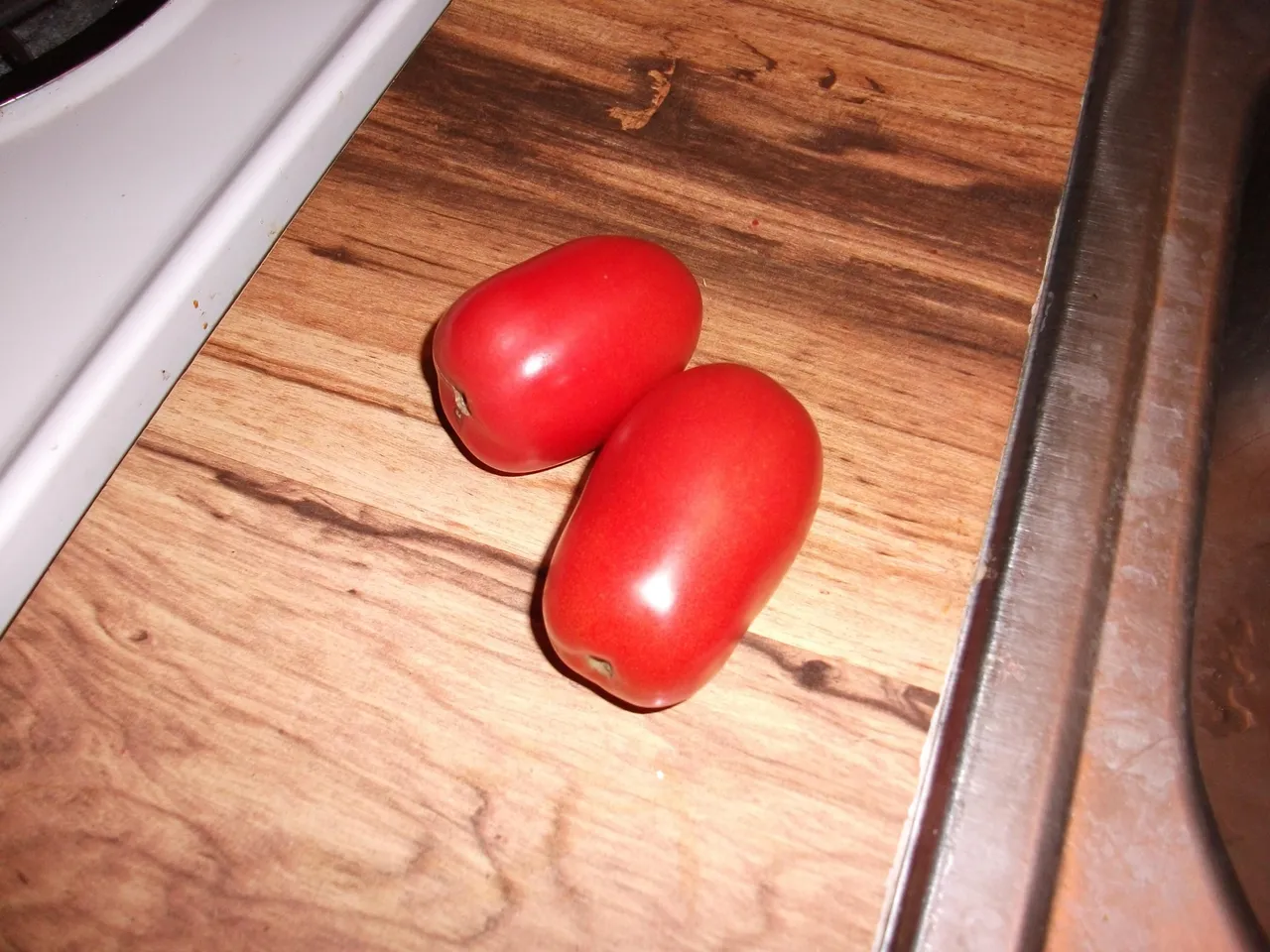
Solanum lycopersicum 'Roma' — the determinate paste tomato for sauce, not salad.

Origin
Section titled “Origin”The species comes from western South America; ‘Roma’ is a 1955 USDA cultivar. A determinate (“bush”) tomato: about a meter tall, one concentrated flush of fruit, then done — which is why it behaves in a pot.
Location
Section titled “Location”Full sun, six hours or more. Thrives at 59–86 °F and dies at frost.
Watering
Section titled “Watering”Water deep and even every 2 days — irregular watering causes blossom-end rot and split fruit, so never let it cycle between bone dry and soaked. Tomato feed every 2 weeks once the first truss has set, May to September.
Pruning
Section titled “Pruning”Skip sucker-pinching: Roma is determinate, every side shoot carries fruit, and pinching just costs sauce. Only remove yellowing leaves below the lowest truss every couple of weeks to keep air moving.
Repotting
Section titled “Repotting”None — it’s an annual. Plant a fresh seedling deep into a 30+ cm pot each May; the buried stem roots along its whole length. Season over, it goes to the compost.
In the kitchen
Section titled “In the kitchen”Romas are dense, seed-poor, and low on juice — mediocre in a salad, exactly right in the pan. They reduce into sauce in half the time of a slicing tomato and are the classic choice for canning, oven-drying, and long-simmered sugo. Halved and roasted flat with olive oil and salt, they’re the shortest path from pot to pasta.